


Full Professor at the RH University of Applied Sciences, Cologne. PhD in Applied Mathematics at Hamburg University of Technology. Head of practice at the Germanischer Lloyd and DNV GL.
Energy system analysis, ship energy systems, renewable energy, solar thermal hydrogen generation, reliability analysis, optimization, numerical methods
Title of the course
Sustainable energy systems
Topic
The first part of the course provides a general introduction to sustainable energy systems for transport applications, addressing the key motivations related to energy efficiency, fuel efficiency, and environmental regulations. Typical simulation platforms are introduced, together with possible interconnecting interfaces, and simulation models of propulsion, electrical, and thermal systems, as well as energy demands, are discussed through several illustrative examples.
In the second part, the course focuses on shipping as a comprehensive case study, since ships represent one of the most energetically complex transport systems. Using maritime applications, advanced analysis techniques for energy system modelling, such as design and operational optimization, sensitivity analysis, and reliability analysis, are introduced and explored. These methods are investigated through practical use cases from cruise and freight vessels, with particular emphasis on sustainable solutions and efficiency enhancing measures.

Full Professor and Senior Researcher at the Universitat Politécnica de Valencia. Fellow Member of the Society of Automotive Engineers (SAE).
Low-temperature combustion; dual-fuel combustion; RCCI; fuel flexibility; combustion control; sustainable mobility.
Title of the course
Advanced Low-Temperature and Dual-Fuel Combustion Concepts for Sustainable and Decarbonized Mobility
Topic
This course addresses low-temperature and dual-fuel combustion modes as key enablers for decarbonized and sustainable mobility. It covers the fundamentals, control challenges, and performance potential of advanced combustion concepts such as RCCI and multi-mode operation, with emphasis on fuel flexibility and efficiency. Practical case studies illustrate the integration of these strategies within modern and hybrid powertrain architectures.
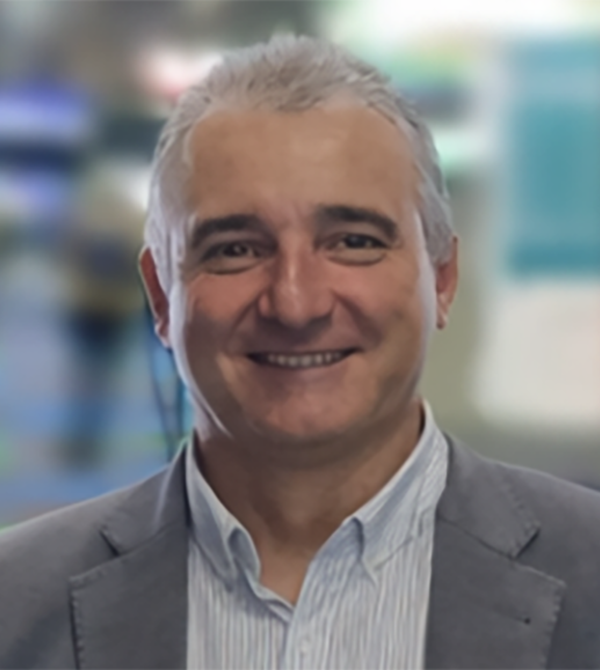
FPhD Physics. Full Professor at Universitat Politécnica de Valencia and Senior Researcher at CMT - Clean Mobility & Thermofluids Institute.
Low-Carbon Fuels; Advanced Combustion Analysis; Optical Diagnostics; Soot Formation and Emissions; Transport Decarbonization.
Title of the course
Low-Carbon Fuels and Advanced Combustion Analysis
Topic
This course addresses the role of low-carbon fuels in the decarbonization of the transport sector, presenting them as a complementary pathway to electrification. It examines the scientific foundations of combustion processes in compression ignition engines and discusses how fuel properties influence ignition behavior, heat release, spray development, mixing processes, and pollutant formation. Through analysis of experimental results from advanced optical facilities and research engines, students will gain insight into how alternative and synthetic low-carbon fuels can significantly reduce soot emissions and contribute to a lower overall environmental impact. The course also explores the interaction between fuel formulation, engine operating conditions, and combustion chamber design. Students will critically analyze real research data of practical case studies, interpret optical diagnostics, and connect combustion theory with practical strategies for near-term transport decarbonization.